


Many people wonder, “What is Jane Doe’s real name and background?” because the term appears in crime stories, hospitals, and court documents across America. In reality, Jane Doe meaning refers to a woman whose identity remains unknown or protected for legal reasons. The name works as one of the most common placeholder names used inside the U.S. legal system and medical environments. Authorities often assign the term to an unidentified person during investigations or emergencies.
Over time, Jane Doe became more than a temporary label. It now symbolizes mystery, privacy, and protection in modern society. Understanding its history helps you see why this famous name still appears in news reports, legal files, and digital culture today.
What Does Jane Doe Mean?

The Jane Doe meaning refers to a woman whose real identity is unknown or hidden. Courts, police officers, and hospitals use the name when they cannot identify someone immediately. In many situations, the term protects an anonymous identity during sensitive investigations. The phrase also appears in movies, books, and online discussions because people instantly recognize its connection to mystery and secrecy, similar to how fictional characters like Lord Farquaad became culturally recognizable identities in modern entertainment.
In modern America, Jane Doe works as one of the most recognized placeholder names in official records. It belongs to a group of generic names and fictitious names used inside legal and medical systems. Many people confuse the term with a real individual. However, it mainly serves as a court case placeholder that helps professionals discuss an unidentified person without exposing private information.
| Term | Meaning |
| Jane Doe | Unknown or unidentified female |
| John Doe | Unknown or unidentified male |
| Richard Roe | Historical placeholder used in old law |
Origin of the Name Jane Doe
The origin of Jane Doe comes from English common law. During medieval England, lawyers used fake identities while discussing land ownership disputes in court. Judges needed simple names to explain legal arguments without involving actual citizens. This practice slowly created the famous pair of John Doe and Richard Roe. Later, courts introduced Jane Doe as the female version.
As the American court system expanded, these common law names became standard legal tools. The names appeared in newspapers, criminal trials, and educational law books throughout the twentieth century. Eventually, the phrase became part of everyday speech. Today, many Americans recognize Jane Doe even if they know nothing about law or history.
“A name can hide identity while still telling a story.”
Why Jane Doe Is Used in Legal Cases
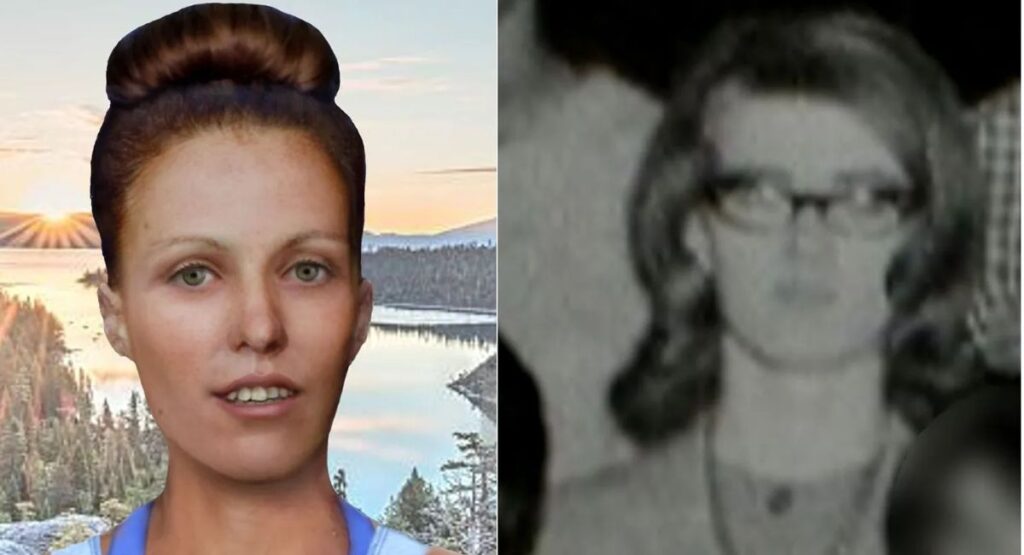
Courts often use Jane Doe during sensitive legal cases involving victims, witnesses, or minors. In many situations, judges must protect people from public exposure. This process supports identity protection and keeps victims safe from harassment or emotional harm. For example, assault victims sometimes appear in court records under legal placeholder names instead of their real identities.
The term also helps investigators manage situations involving an unknown identity. Police departments may discover an unknown crime victim without identification documents. Until officials confirm the real name, records may list the person as Jane Doe. This form of legal documentation creates consistency across investigations and prevents confusion between agencies.
| Legal Use | Purpose |
| Victim privacy | Protect personal identity |
| Unidentified victim | Temporary legal reference |
| Witness anonymity | Prevent public exposure |
Difference Between Jane Doe and John Doe
The difference between Jane Doe and John Doe is simple. Jane Doe refers to women while John Doe refers to men. Both terms belong to the same family of placeholder identity names used in courts, hospitals, and investigations. Their purpose remains nearly identical across most industries.
The John Doe meaning became popular earlier because ancient legal systems mostly focused on male property owners. Over time, courts added female versions to match changing social structures. Today, these names appear together in police reports, forensic investigations, and educational examples. They remain some of the most recognized legal terminology terms in America.
| Placeholder Name | Gender |
| Jane Doe | Female |
| John Doe | Male |
| Baby Doe | Infant |
Why Unidentified People Are Called Jane Doe
Authorities use Jane Doe because investigations often begin before identification becomes possible. A person may arrive unconscious at a hospital or appear at a crime scene without documents. In those moments, officials need temporary names for records and communication. This system helps police and doctors organize information quickly.
The name also gives dignity to an unidentified person. Instead of reducing someone to a number, professionals use a human-sounding identity. This small detail matters emotionally. Families searching for missing relatives often connect more deeply with named victims rather than cold statistics. Therefore, privacy protection and emotional respect both play important roles in the continued use of Jane Doe.
Jane Doe in Hospitals and Medical Records

Hospitals regularly use medical placeholder names when treating emergency patients. If someone arrives unconscious or severely injured, staff members cannot always confirm the person’s identity immediately. In these situations, doctors create temporary files using names like Jane Doe. This process helps medical professionals track medications, treatments, and patient history safely.
Inside emergency rooms, accurate paperwork saves lives. Temporary names prevent confusion during chaotic situations. Many hospitals also use coded systems connected to age, gender, or arrival time. However, unidentified patients still commonly receive Jane Doe labels because the system remains familiar and efficient across the healthcare industry.
| Hospital Situation | Why Jane Doe Is Used |
| Emergency admission | Identity unknown |
| Severe injury | Patient unconscious |
| Missing documents | Temporary records needed |
Jane Doe in Technology and Online Culture
The rise of the internet pushed Jane Doe into digital culture. In modern software development, programmers use fake identities while building apps and websites. These names help teams test systems without exposing real customer information. Many companies rely on testing data names and sample user names during product creation.
You often see Jane Doe inside website form fields, signup pages, and profile examples. Developers insert placeholder data during the testing phase to check how systems handle information. These examples help improve user interface elements and reduce technical mistakes. Within the technology industry, the name now represents both privacy and functionality.
| Tech Usage | Purpose |
| Website forms | Example identity |
| App testing | Safe fake data |
| User tutorials | Demonstration purposes |
Similar Placeholder Names Used Around the World
Although Jane Doe dominates American culture, many countries use similar identities. In Britain, people often say “Joe Bloggs.” Germany uses “Max Mustermann,” while Spanish-speaking countries frequently choose “Juan Pérez.” These names perform the same role as placeholder names in official and educational settings.
Different cultures create their own versions because humans naturally prefer relatable examples. Lawyers, teachers, and developers all need imaginary identities while explaining systems or procedures. These localized fictitious names make examples easier to understand. Despite language differences, the purpose remains universal across the world.
| Country | Placeholder Name |
| United States | Jane Doe |
| United Kingdom | Joe Bloggs |
| Germany | Max Mustermann |
| Spain | Juan Pérez |
Famous Jane Doe Cases in History
Several famous Jane Doe cases shaped American history. Some involved unidentified murder victims while others focused on privacy rights inside major court battles. Media coverage turned many cases into national conversations. In several situations, forensic science later uncovered the real identities years after investigations began.
One major reason these stories attract attention is mystery. Humans naturally want answers. Television documentaries and crime podcasts continue exploring old legal cases connected to unknown identity victims. Some investigations remained unsolved for decades before DNA technology finally revealed the truth. These stories transformed Jane Doe into a powerful cultural symbol across America.
“Behind every Jane Doe case is a real human story waiting for answers.”
Conclusion
The answer to “What is Jane Doe’s real name and background?” is more complex than most people expect. Jane Doe is not usually one specific woman. Instead, the name represents privacy, mystery, and legal structure inside American society. From hospitals to courtrooms, the phrase helps professionals manage sensitive situations carefully and respectfully.
Over centuries, Jane Doe evolved from ancient English common law traditions into a modern cultural symbol. Today, the term appears in healthcare, criminal investigations, journalism, and software development. Whether protecting victims or helping programmers test applications, the name continues serving an important role in everyday life.
FAQs
What was Jane’s real identity in Blindspot?
In the TV show Blindspot, Jane Doe was later revealed to be Remi Briggs. She worked as an undercover operative before losing her memory. The series used the name because her identity was unknown at the beginning, which matched the traditional Jane Doe meaning used in mystery and legal terminology.
What is John Doe originally from?
John Doe originated from English common law during the Middle Ages. Lawyers used the name in fictional court disputes involving land ownership disputes. Over time, it became one of the most recognized placeholder names for an unknown man in the U.S. legal system.
Was Jane Doe born in Africa?
No, Jane Doe is not one real person with a birthplace or nationality. The term is a symbolic label used for an anonymous person or someone with an unknown identity. However, fictional characters named Jane Doe may have different backgrounds depending on books, movies, or television stories.
What is the story behind Jane Doe?
The story behind Jane Doe began in historical law courts where judges needed fictitious names for legal examples and unidentified individuals. Later, hospitals, police departments, and media organizations adopted the name for unidentified patients, victims, and sensitive investigations requiring identity protection.
Why are they named Jane Doe?
Authorities use Jane Doe because it provides a simple and professional way to identify someone temporarily without revealing personal details. The name supports privacy protection, legal organization, and clear communication during emergencies, criminal investigations, or medical situations involving an unidentified person.
Meta Description
Discover what Jane Doe’s real name and background mean, including its legal history, mystery, and modern use today.

Hi, I’m Zain Bhatti, founder of CelebPulse.I create SEO-optimized celebrity content focused on age, net worth, awards, and lifestyle insights. My goal is to provide accurate, easy-to-understand information while building a trusted entertainment resource online.