

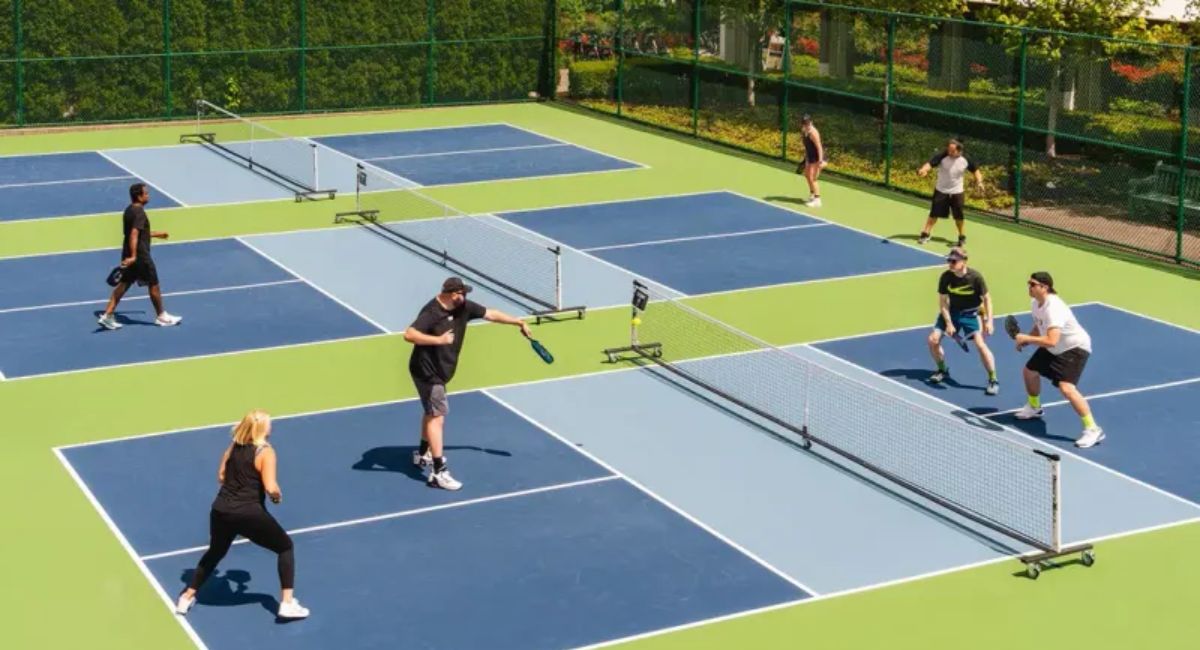
Pickleball has quickly become one of America’s favorite sports because it feels exciting, social, and easy to learn. However, understanding pickleball rules can make the difference between enjoying smooth rallies and constantly losing points. Many beginners struggle with serving, scoring, and kitchen violations during their first few games. Once you learn the basics, the sport becomes far more enjoyable and competitive.
This guide explains everything in simple language so you can improve faster and feel confident on the court. You will learn key parts of the pickleball scoring system, understand the non-volley zone, avoid common pickleball faults, and master important pickleball serve rules that every beginner should know before stepping onto the court.
What Is Pickleball and Why Is It So Popular?
Pickleball combines tennis, ping pong, and badminton into one energetic game. Players use paddles instead of rackets and hit a plastic ball across a smaller pickleball court. Many Americans enjoy the sport because it feels less demanding than tennis yet still delivers fast rallies and strategic action. Fans who enjoy competitive sports and strategy-driven games also follow intense matchups like the Timberwolves vs Spurs playoff analysis to understand how positioning, teamwork, and fast decision-making influence modern sports performance. You can read the full breakdown here: Timberwolves vs Spurs Playoff Analysis. This rise in popularity has made pickleball for beginners one of the most searched sports topics online.
Another reason people love pickleball is the learning curve. Most players understand the basics within one afternoon. The sport welcomes all ages and fitness levels. Families often play together because the game feels approachable and competitive at the same time. Once you understand pickleball rules explained clearly, the sport becomes addictive in the best possible way.
Essential Pickleball Equipment You Need
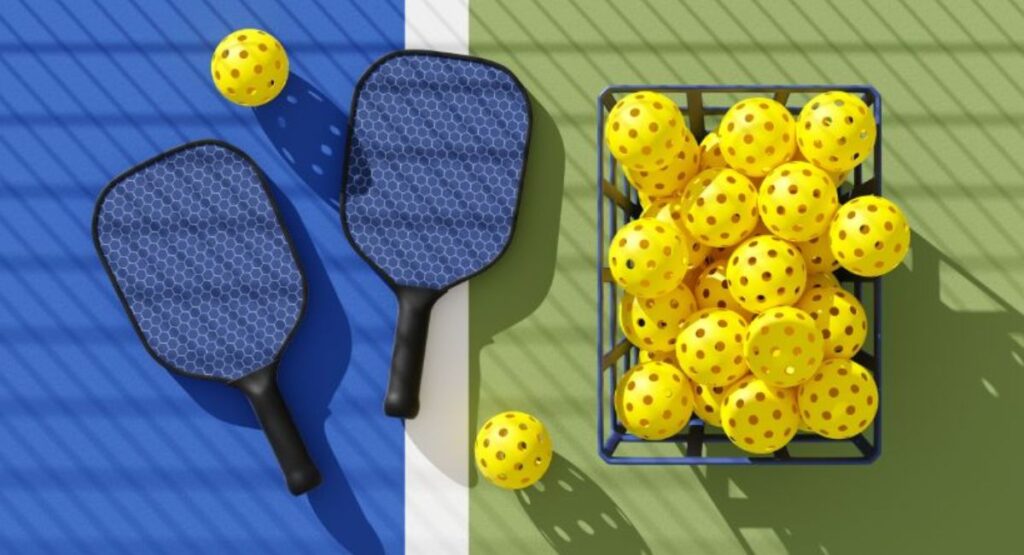
Starting pickleball does not require expensive gear. You need a paddle, a plastic ball, proper shoes, and access to a marked pickleball court. Beginner paddles usually use lightweight composite materials. More advanced players often choose graphite paddles for better precision and control during a fast pickleball rally.
The table below explains the most important beginner equipment:
| Equipment | Purpose | Beginner Recommendation |
| Paddle | Hits the ball | Lightweight composite paddle |
| Pickleball | Used during play | Outdoor ball for windy courts |
| Court Shoes | Improves movement | Non-slip athletic shoes |
| Net | Divides the court | Regulation portable net |
Understanding the right equipment also helps improve your pickleball techniques faster. Comfortable shoes protect your knees during sudden direction changes near the pickleball baseline and pickleball sidelines.
Understanding the Pickleball Court Layout
The official pickleball court dimensions measure 44 feet long and 20 feet wide. The court includes sidelines, baselines, centerlines, and the famous non-volley zone called the kitchen. Many beginners struggle with positioning because they move too close to the baseline after serving.
The kitchen extends seven feet from each side of the net. This area creates one of the most unique parts of modern pickleball gameplay. Players cannot hit a volley in pickleball while standing inside this zone. Understanding court spacing improves movement, defense, and reaction speed during competitive matches.
| Court Area | Purpose |
| Baseline | Back serving boundary |
| Sidelines | Outer court boundaries |
| Kitchen | Non-volley safety zone |
| Service Area | Where serves must land |
Basic Pickleball Rules Every Beginner Must Know
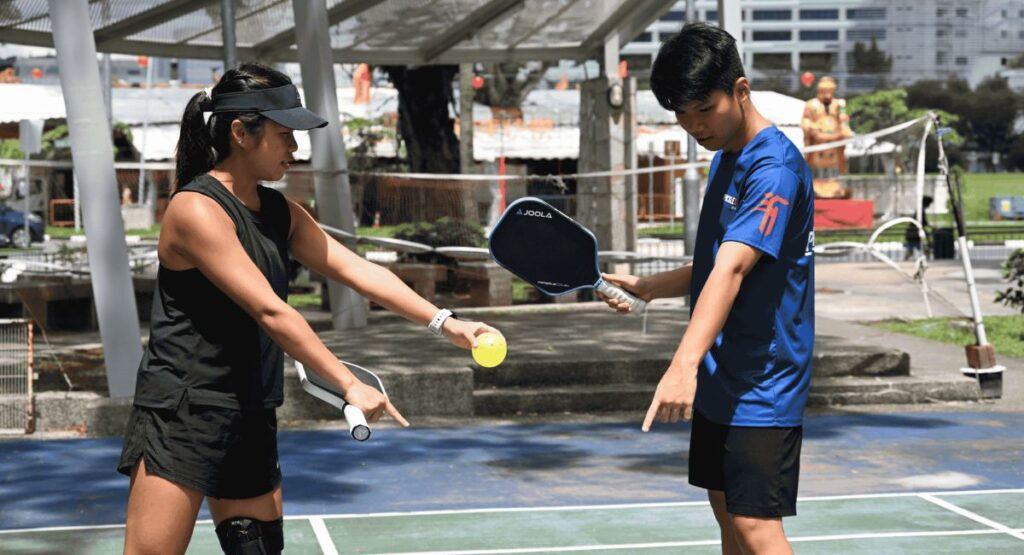
Every match begins with a serve from the right side of the court. Players hit underhand serves diagonally into the opposite pickleball serving box. During doubles play, teammates rotate positions after winning rallies while serving. These simple foundations shape all official pickleball game rules.
One major concept involves keeping the ball in play until someone commits a fault. Faults happen when players hit out of bounds, miss the ball, or break kitchen restrictions. Learning these early prevents frustration. Most newcomers improve quickly once they understand pickleball fault rules and court movement basics.
“Good pickleball players don’t only hit hard. They understand positioning, patience, and timing.”
Pickleball Serving Rules Explained
Many beginners focus heavily on serving power. However, placement matters far more. The paddle must contact the ball below the waist to create a legal pickleball serve. Players must also stand behind the pickleball baseline before making contact with the ball.
The official pickleball serve rules also require the serve to land diagonally inside the correct service box. If the ball touches the kitchen line during a serve, officials call it a fault. Learning how to serve in pickleball properly helps players control the game early in each rally.
| Serving Rule | Explanation |
| Underhand Motion | Paddle swings upward |
| Diagonal Serve | Ball lands opposite side |
| Behind Baseline | Feet cannot cross line |
| Kitchen Restriction | Serve cannot land there |
Understanding the pickleball serving sequence and pickleball serving rotation becomes especially important during doubles matches.
Pickleball Scoring System Made Simple
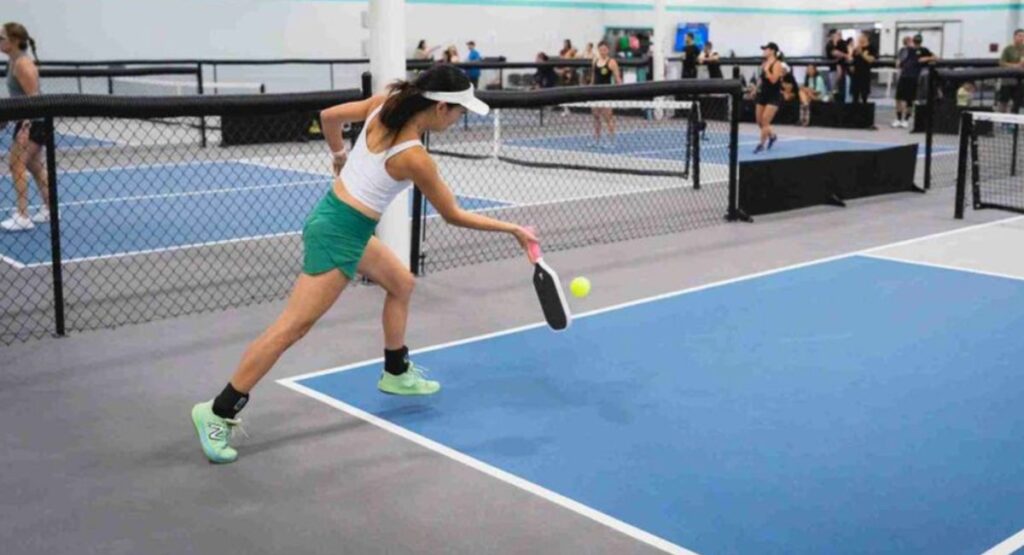
The pickleball scoring system often confuses new players at first. Only the serving side can score points. Games usually end at 11 points although teams must win by two. This structure creates dramatic momentum swings during close matches.
Before every serve, players announce three numbers in doubles. The first number shows the serving team’s score. The second shows the opponent’s score. The final number identifies the server. Learning how scoring works in pickleball becomes easier after watching several games in person.
| Score Example | Meaning |
| 6-4-1 | Serving team has 6 points, first server |
| 8-8-2 | Tie game, second server |
| 10-9-1 | Game point for serving team |
Many players also search for pickleball doubles scoring because doubles remains the most popular format in the United States.
The Double-Bounce Rule and Why It Matters
One famous beginner question asks, what is the two bounce rule in pickleball? After the serve, the receiving team must let the ball bounce once. Then the serving team must also allow one bounce before hitting volleys. This creates fairer rallies and prevents immediate net attacks.
The double-bounce rule slows aggressive play early in rallies. It also encourages strategy and positioning. Many beginners lose points because they rush forward too quickly after serving. Smart players stay balanced and wait patiently before attacking near the kitchen line.
This rule improves fairness dramatically. Without it, serving teams could dominate instantly with aggressive overhead shots.
Non-Volley Zone (Kitchen) Rules Explained
Many players ask, what is the kitchen in pickleball because the name sounds unusual. The kitchen refers to the seven-foot non-volley zone near the net. Players cannot hit volleys while standing inside this area. These pickleball non-volley zone rules prevent unfair net dominance.
Another common question is, can you step in the kitchen in pickleball? Yes, players may enter the kitchen after the ball bounces. However, momentum from a volley cannot carry players into the zone afterward. This important kitchen rule pickleball detail causes countless beginner faults each week.
| Kitchen Rule | Allowed? |
| Volley inside kitchen | No |
| Step inside after bounce | Yes |
| Momentum into kitchen after volley | No |
| Stand in kitchen without volleying | Yes |
Common Pickleball Faults and Line Call Rules
Understanding pickleball faults helps beginners avoid losing easy points. Common mistakes include hitting out of bounds, missing serves, volleying illegally inside the kitchen, and striking the net during rallies. Many recreational players also forget proper positioning during doubles play.
Accurate pickleball line calls matter greatly during close matches. According to official standards, balls touching the line count as in. This applies to sidelines and baselines. Clear communication between teammates reduces arguments and improves sportsmanship during competitive games.
| Fault Type | Result |
| Ball out of bounds | Rally lost |
| Kitchen volley violation | Fault |
| Serve into net | Fault |
| Double bounce on one side | Point ends |
Learning pickleball line rules early improves confidence and game awareness.
Best Beginner Pickleball Tips to Improve Faster
Strong fundamentals matter more than flashy shots. New players should focus on footwork, consistency, and patience. Rushing shots usually creates mistakes. Smart positioning near the kitchen line gives players better reaction time and court coverage during fast exchanges.
Many coaches recommend practicing controlled dinks instead of hard drives. These soft shots force opponents into uncomfortable positions. Simple drills also improve hand-eye coordination and reaction speed. Following quality pickleball beginner tips helps players develop faster without frustration.
A great beginner strategy involves watching advanced matches online. Observing movement patterns teaches spacing, teamwork, and shot selection naturally.
Official Pickleball Rules vs Recreational Rules
Casual games often use relaxed standards. Players may replay questionable shots or ignore small serving mistakes. However, tournament environments follow strict official pickleball rules with referees and formal scorekeeping procedures.
Competitive matches require sharper discipline. Players must follow exact serving motions, kitchen restrictions, and scoring announcements. Understanding the difference between recreational and tournament play prepares beginners for future league matches and local championships.
| Recreational Play | Tournament Play |
| Flexible rules | Strict enforcement |
| Casual score calling | Official announcements |
| Friendly line calls | Referee decisions |
| Relaxed pace | Competitive pace |
Advanced Pickleball Rules Most Beginners Don’t Know
One advanced move called the Erne allows players to jump outside the kitchen area and hit volleys aggressively near the net. Skilled players use this tactic to surprise opponents during quick exchanges. Understanding these advanced concepts adds another layer to modern pickleball gameplay.
Another lesser-known rule involves net serves. A serve may touch the net and still remain legal if it lands correctly inside the service area. Many players incorrectly stop playing after hearing net contact. Knowing unusual situations improves reaction time and match awareness.
FAQs
What are the 5 rules of pickleball?
The five basic pickleball rules include serving underhand, allowing the ball to bounce once on each side after the serve, avoiding volleys inside the kitchen, scoring only while serving, and keeping the ball within court boundaries. These simple rules create fair and exciting gameplay for beginners and advanced players alike.
Can I play pickleball with AFIB?
Many people with AFIB can still enjoy pickleball because the sport offers moderate exercise and social activity. However, you should always speak with your doctor before starting physical activity. Light movement, proper hydration, and controlled pacing can help reduce strain during matches.
Does David Lloyd have pickleball?
Yes, many David Lloyd Leisure clubs now offer pickleball courts, coaching sessions, and beginner-friendly games. Availability depends on the location, so checking your nearest club before visiting is a smart idea.
What is the golden rule in pickleball?
The golden rule in pickleball is patience and control. Skilled players wait for the right shot instead of hitting hard every time. Staying balanced near the kitchen line and reducing unnecessary errors often wins more rallies than aggressive play.
What is Nasty Nelson in pickleball?
A Nasty Nelson happens when the server intentionally hits the receiving player with the serve before the ball bounces. If the ball touches the opponent successfully, the serving team wins the point immediately. This rare tactic surprises many beginners during competitive matches.

Hi, I’m Zain Bhatti, founder of CelebPulse.I create SEO-optimized celebrity content focused on age, net worth, awards, and lifestyle insights. My goal is to provide accurate, easy-to-understand information while building a trusted entertainment resource online.