

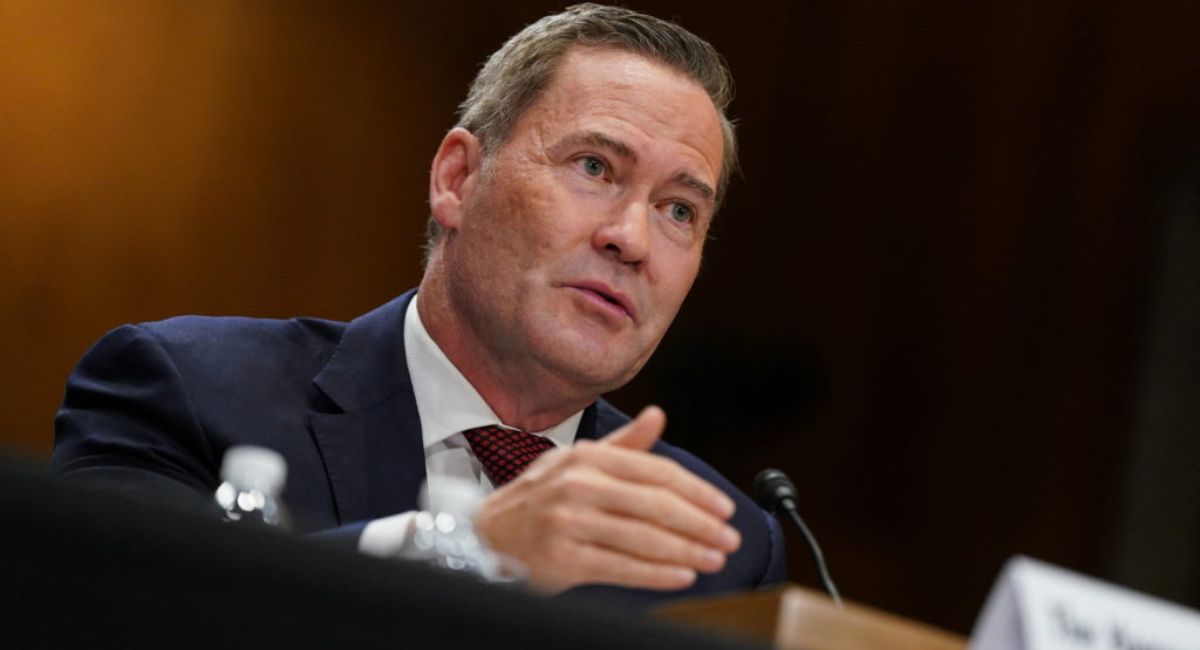
Who Is Michael Waltz?
Mike Waltz is a prominent figure in U.S. politics, widely recognized for his military background and role as a national security adviser Venmo. Before entering Congress, he served as a Green Beret, gaining experience in intelligence and counterterrorism operations. Over the years, Waltz has become a key voice on national security, foreign policy, and defense strategy, often appearing in media discussions.
His presence extends beyond policy debates into digital privacy issues, as highlighted by the Michael Waltz Venmo account controversy. Analysts and the public closely follow his opinions on military action, diplomacy, and the evolving role of technology in Venmo social connections, emphasizing how personal networks intersect with professional influence.
Quick Overview of Mike Waltz
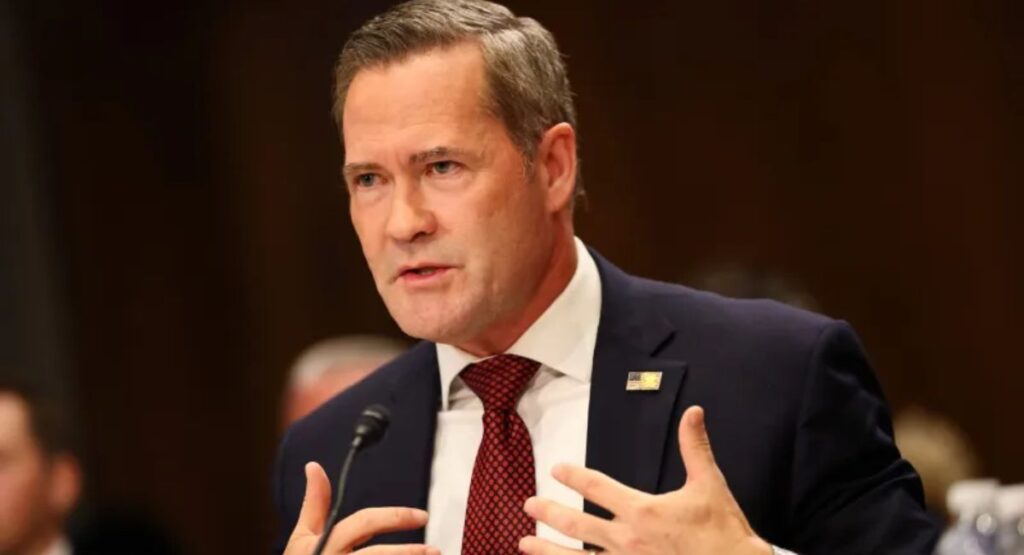
Mike Waltz built his reputation through a rare mix of battlefield experience and policy knowledge. Many analysts consider him part of a generation of leaders who bridge military service and government strategy. His work frequently intersects with international diplomacy and intelligence policy.
You will often hear analysts describe him as a strategist who studies threats carefully. His career path also overlaps with other influential figures in Washington such as Susie Wiles White House chief of staff and advisers connected to policy initiatives including Project 2025 connections.
Early Life and Education of Michael Waltz
Mike Waltz grew up in the United States during a period when global politics was changing rapidly. Those early years influenced his curiosity about military service and international relations. Long before entering government, he focused on understanding how diplomacy and defense shape national stability.
Education played an important role in shaping his worldview. Waltz studied global affairs and national security topics. These subjects later guided his approach when analyzing threats such as cyber warfare, regional conflicts, and intelligence competition between major world powers.
Academic Journey and Political Awareness
His academic background focused heavily on strategic studies and international security policy. This education helped him analyze complex geopolitical trends and prepare for leadership roles in defense policy.
During these years, many scholars discussed security risks linked to technology and social platforms. Discussions about data privacy later became relevant when incidents like the BuzzFeed News Venmo report and the Joe Biden Venmo discovery highlighted how public digital networks can expose political relationships.
Military Career and Service in the U.S. Army
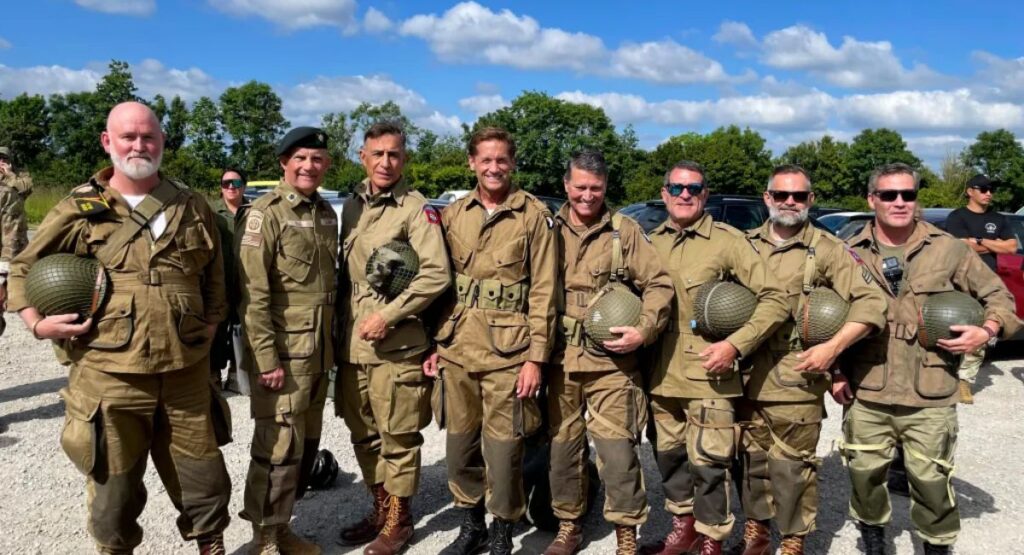
Before entering politics, Mike Waltz served as a Green Beret in the U.S. Army Special Forces. This elite military role required advanced training in intelligence gathering, counterterrorism, and unconventional warfare. The experience shaped how he evaluates global security threats today.
Special Forces missions often take place in complex environments where diplomacy and military strategy must work together. Waltz participated in operations that required cooperation with international allies and intelligence agencies. These experiences later influenced his views on modern defense policy.
Missions and Strategic Defense Experience
During his service, Waltz observed how technology and cyber tactics could influence warfare. Security experts frequently reference cyber events like the Stuxnet cyber attack example to illustrate how modern conflicts extend beyond traditional battlefields.
The lessons learned from those operations later shaped his warnings about espionage and influence campaigns. Intelligence professionals often discuss methods such as Chinese intelligence LinkedIn targeting, which attempt to gather information through digital relationships and professional networks.
Michael Waltz’s Political Career
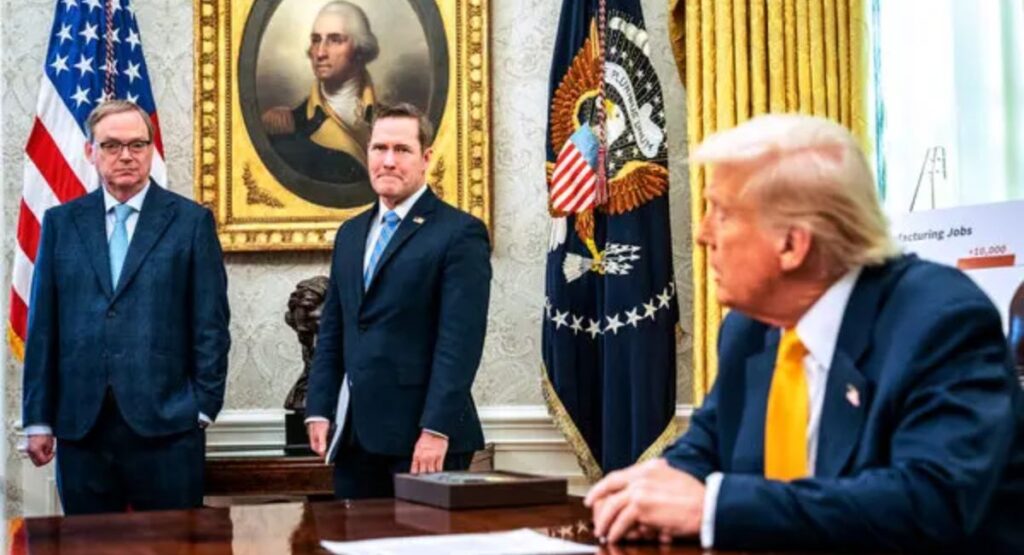
After completing military service, Mike Waltz transitioned into government policy and eventually entered politics. His campaign messaging emphasized defense readiness, cybersecurity awareness, and strengthening U.S. alliances.
Once elected to Congress, he became known for focusing on national security issues. Waltz worked on legislation related to military funding, intelligence modernization, and foreign policy oversight. His military background often helped him communicate defense topics in a clear way to voters.
Legislative Work and Policy Focus
During his time in government, Waltz frequently collaborated with experts and fellow policymakers. Some of these policy conversations involved security analysts from organizations such as the Walker Barrett National Security Council network.
Political discussions around defense often involve multiple agencies and advisors. Leaders including Pete Hegseth defense secretary and other defense officials sometimes appear in national security debates alongside Waltz during major policy discussions.
Michael Waltz and His Views on National Security
Mike Waltz strongly emphasizes preparedness in U.S. national security strategy. He argues that global threats now come from many directions including cyber attacks, intelligence leaks, and political influence campaigns.
He often highlights how data exposure and digital platforms can create vulnerabilities. Analysts studying online activity sometimes use tools like Venmo network analysis to understand how relationships between public figures may become visible through financial or social applications.
Strategic Security Concerns
Experts often warn about counterintelligence security risks created by public digital networks. These risks increase when social platforms display contact lists or visible connections between powerful individuals.
Digital transparency may appear harmless at first. However analysts say a public Venmo network can reveal professional relationships, influence circles, and communication patterns. This information can sometimes be used by adversaries to study government networks.
Michael Waltz on Trump’s Iran Strategy
Mike Waltz has frequently commented on U.S. strategy toward Iran. In public interviews he suggested that American leadership should keep several diplomatic and military options available during crises.
These comments often appear during discussions about Middle East security and regional stability. His statements gained attention during policy debates surrounding U.S. responses to escalating tensions in the region.
Strategic Debate and Policy Reaction
One moment that intensified debate involved a conversation related to the Signal group chat Yemen strike discussion. Reports suggested that policy planning around regional military actions became part of wider political conversations.
Journalists such as Jeffrey Goldberg The Atlantic have examined how communication platforms may influence policy discussions and strategic decisions among government leaders.
Michael Waltz’s Warning to Iranian Officials
During diplomatic disputes, Mike Waltz warned that aggressive rhetoric could escalate tensions. His statements reflected concern that verbal threats might push international conflicts closer to military confrontation.
Security analysts often point out that diplomacy works best when leaders combine firm policy with careful communication. Waltz’s statements illustrated how messaging itself can shape geopolitical outcomes.
International Reaction
Some observers supported his strong stance while others encouraged deeper diplomatic dialogue. The debate shows how complex modern foreign policy has become.
Political messaging, intelligence reports, and military planning all interact in ways that can influence global stability and long-term alliances.
NatSec Nightcap with Congressman Mike Waltz
Mike Waltz frequently participates in policy discussions known as “NatSec Nightcap.” These conversations explore national security issues in an accessible format for viewers.
During these discussions he often explains how intelligence agencies monitor threats. Topics include cyber warfare, military modernization, and emerging technology risks that could affect global security.
Topics Often Discussed
Many sessions examine the relationship between technology and defense planning. Analysts frequently reference modern digital tools, including social networks and financial apps, when discussing information exposure.
These discussions sometimes mention cases where digital networks unexpectedly reveal connections between influential individuals, creating valuable insights for security researchers.
The Venmo Friends List Controversy
The Michael Waltz Venmo account controversy began when investigators noticed that a visible network of contacts appeared on the payment platform. Observers discovered a Mike Waltz Venmo friends list linked to hundreds of professional connections.
Researchers studying the Venmo public friend list suggested that such visibility could reveal relationships between journalists, political advisors, and defense figures. The issue quickly became part of a broader Venmo privacy controversy involving digital transparency.
Privacy Concerns and Security Risks
Security specialists warned that Venmo data exposure may create a Venmo security risk if sensitive connections become visible online. Investigators studying the White House officials Venmo network also examined how Venmo contact list visibility might expose professional circles.
Digital privacy researchers noted that Venmo privacy settings allow users to hide their connections. However many users leave them public. According to the PayPal Venmo privacy policy, the platform allows people to manage their privacy manually because Venmo owned by PayPal gives users control over visibility options.
Example: Public Network Visibility
| Digital Platform | Possible Risk | Example Impact |
| Payment Apps | Visible contact networks | Reveals professional relationships |
| Social Media | Shared connections | Maps political networks |
| Messaging Apps | Group chats | Shows communication patterns |
Researchers also studied the JD Vance Venmo account and similar cases to understand how Venmo social connections may reveal links between political figures on Venmo. Analysts say these networks sometimes expose influence circles that would otherwise remain private.
Michael Waltz’s Influence on U.S. Politics Today
Mike Waltz continues to influence national security conversations across the United States. His career connects military experience with modern policy challenges including cybersecurity and digital intelligence risks.
Political observers believe leaders with battlefield experience often bring practical insights to strategic planning. Waltz frequently emphasizes preparedness, intelligence cooperation, and careful analysis of emerging global threats.
Future Outlook
Many analysts believe his influence will remain significant as global security evolves. Issues such as cyber espionage, digital privacy, and intelligence sharing are becoming central to policy discussions.
As technology expands, debates about security risks, communication platforms, and data transparency will likely grow. Leaders like Mike Waltz will continue shaping how policymakers respond to those challenges.
FAQs
Who is Mike Waltz in the Trump administration?
Mike Waltz served as a top defense and security adviser during the Trump administration. Known as a former Green Beret, he offered guidance on military operations, intelligence, and national security strategy, helping shape U.S. policy in critical global regions.
Who is Trump’s national security adviser?
While Mike Waltz was not officially the National Security Adviser, he acted as a key security consultant. He worked alongside top officials and military leaders, providing insight into international threats and policy planning during Trump’s term.
Who is the Green Beret House member?
Mike Waltz is a unique figure as a Green Beret who later became a U.S. House Representative. His military experience informs his work on defense committees and policy decisions.
Which senator was a Navy Seal?
Senator Dan Crenshaw, also a military veteran, served as a Navy SEAL before entering Congress. Both Crenshaw and Waltz are examples of veterans who transitioned into politics.
What is the salary of a Green Beret?
A Green Beret’s salary depends on rank and years of service. On average, active-duty members earn between $40,000 to $90,000 per year, not including special pay, bonuses, or benefits for hazardous duty.

Hi, I’m Zain Bhatti, founder of CelebPulse.I create SEO-optimized celebrity content focused on age, net worth, awards, and lifestyle insights. My goal is to provide accurate, easy-to-understand information while building a trusted entertainment resource online.