

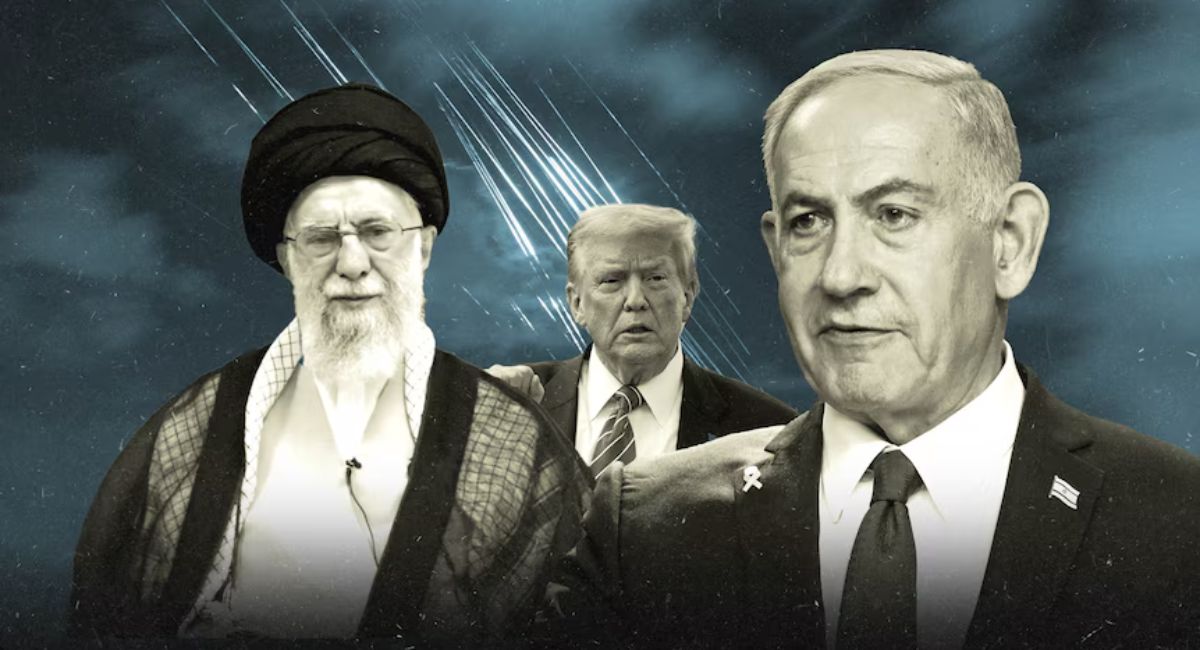
Israel Iran news has taken center stage around the world as clashes escalate into a full‑fledged conflict involving the United States (US) and forces from Israel striking deep into Iran.
This unfolding Iran war began after long‑running disputes over Tehran’s nuclear program and has triggered intense global interest, with missile exchanges, economic disruptions, and diplomatic shifts dominating headlines. In recent days, Iran’s leadership under Mojtaba Khamenei has vowed to press on despite heavy bombardment, while US and Israeli officials insist their goal is to curb Iran’s military reach. The unsettling developments in this conflict now shape international security discussions and everyday energy markets around the globe.
What Triggered the Iran War?
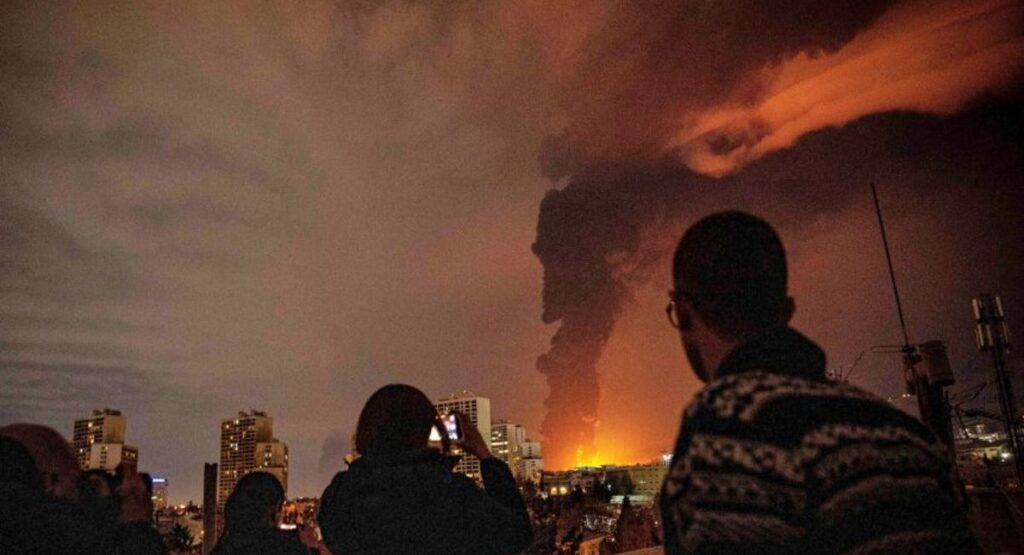
From the start, the Iran war was driven by deep mistrust between Israel and Iran over nuclear ambition and regional influence. After years of talks and warnings, the U.S. and Israel launched strikes aimed at slowing Iran’s nuclear capabilities and reducing its military reach. The conflict became full‑blown when Iran refused to halt its nuclear program and continued enriching uranium at levels that worried many world powers. Ayatollah Ali Khamenei, Iran’s long‑time leader, was killed in an early attack, and his son Mojtaba Khamenei took charge amid intense fighting and uncertainty about Tehran’s future direction. (The Guardian)
Political tensions and strategic missteps helped turn this into a wider US‑Israel conflict with Iran at the centre. Iran’s allies and proxy forces in places like Lebanon, Syria, and Yemen began taking part, turning a localized security issue into a broader Middle East security crisis. Despite heavy airpower, many intelligence analysts question whether the war’s major goal—to stop Iran’s nuclear advances or force regime change—was ever clearly defined. (The Guardian)
Major Military Developments in the Iran War
The conflict has seen some of the most intense Israeli military operations and joint strikes in recent history. Airstrikes in Iran targeted nuclear sites, missile installations, and sections of the military‑industrial base that supported Iran’s weapons programs. Authorities reported that fighter jets and drones struck key facilities long linked to the Iran nuclear threat, while thousands of troops and shelling defined the ground pace of action. (Wikipedia)
At the same time, Iran launched waves of ballistic missiles and asymmetric attacks against targets across the region, including areas linked to Israel and allied bases. The fighting forced changes in normal life across the Middle East and raised fears of escalation with groups on the Lebanon front and in the Gaza conflict. Military intelligence and defense observers warn that even as strikes degrade some capabilities, Iran’s adaptability and dispersed operations make total victory uncertain. (Wikipedia)
Iran’s Response and New Supreme Leader’s Strategy
After Ayatollah Ali Khamenei died in an early strike, Mojtaba Khamenei became Iran’s new supreme leader. He vowed to continue defensive and strategic efforts, including maintaining pressure on regional rivals and asserting influence over important corridors like the Strait of Hormuz. This leadership change matters because Iran’s long‑standing nuclear program and defense policies have always been shaped by the supreme leader’s stance. (AP News)
Mojtaba’s approach suggests a blend of retaliation and steadfast resistance rather than retreat. Iran’s Revolutionary Guards Corps (IRGC) and its associated elite units have strengthened internal control while supporting allied forces across Syria, Lebanon, and Yemen. Meanwhile, Tehran insists it will not abandon its nuclear ambitions, even as it faces heavier international pressure and sanctions. (AP News)
Strait of Hormuz Crisis and Attacks on Oil Tankers
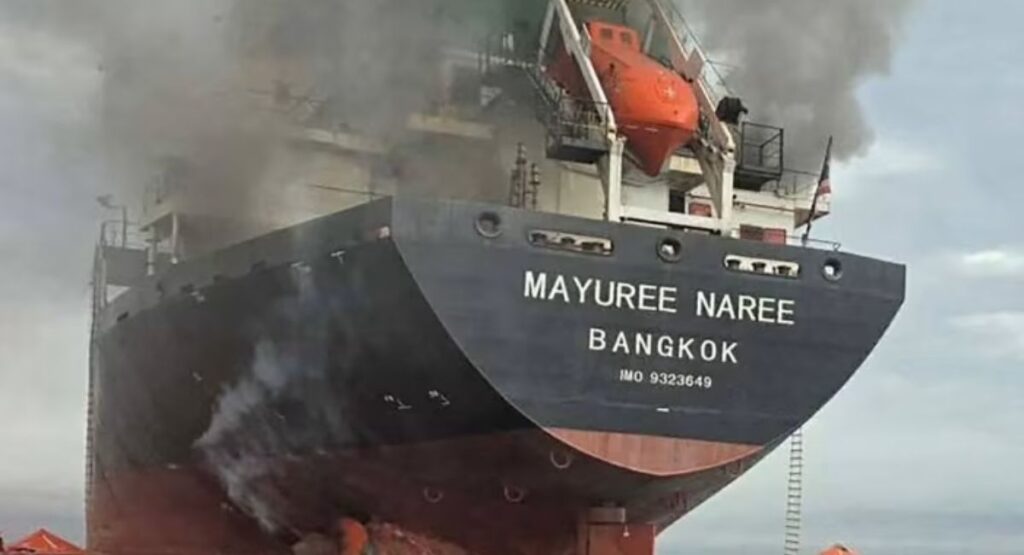
The Strait of Hormuz became one of the most critical flashpoints of the conflict because it is a chokepoint for global oil shipments. Iran’s threats to close or disrupt shipping there caused anxiety in markets worldwide, especially as oil price inflation surged. Merchant ships, tankers, and cargo vessels reported increased risk of attack, and naval forces from the US and allied countries increased their presence to protect trade routes. (Al Jazeera)
This region’s instability means energy prices around the world can jump overnight, affecting everything from fuel costs in the United States to transportation in Asia and Europe. The fear of attacks on shipping also led to increased insurance costs and rerouted trade paths, creating ripple effects across global commerce. (Al Jazeera)
Global Oil Market Shock and Rising Energy Prices
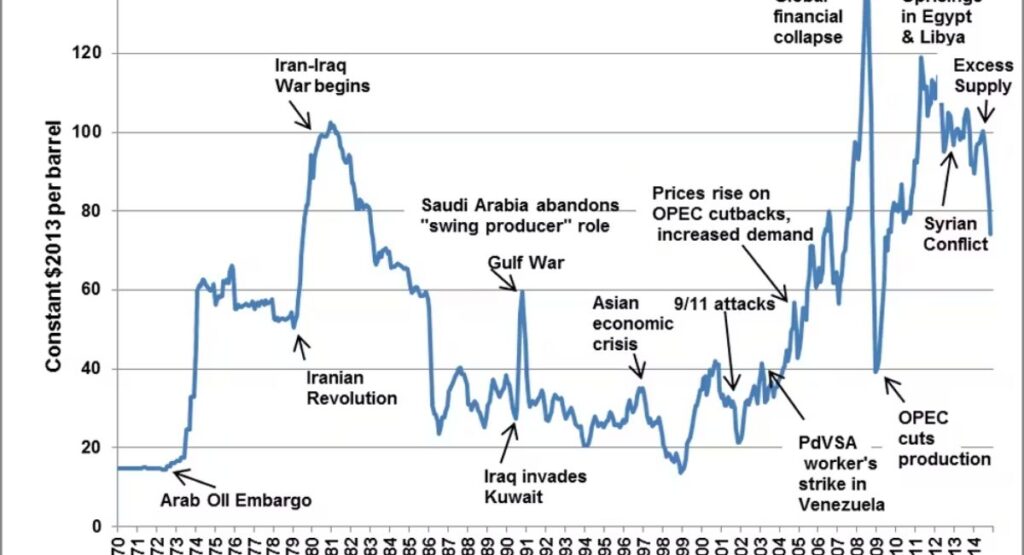
Because the Strait of Hormuz is so vital for oil exports, even small disruptions send shocks through global markets. Fears of longer or expanded conflict have driven world oil prices back above $100 per barrel, a level that affects daily life everywhere. Consumers in the US feel this through higher gasoline at the pump, and industries reliant on energy face tighter budgets as costs climb. (Al Jazeera)
This price surge has also pushed governments to reconsider energy policy, tapping strategic reserves or negotiating with alternative suppliers. For many nations, the ongoing turmoil pressures leaders to balance economic stability with political goals, making diplomatic talks just as urgent as military strategy. (Al Jazeera)
Impact on the Global Economy and Financial Markets
Global financial markets do not react well to uncertainty, and the US‑Israel conflict with Iran has created waves of volatility. Stock indexes fluctuate as traders weigh the future of oil, defense spending, and international trade. Banks and financial systems in the region are also under strain, as investors worry about sanctions and possible retaliatory actions. (Al Jazeera)
In the US, industries tied to energy, logistics, and defense see changes in demand and spending. Some companies benefit from increased military contracts, while others face higher operational costs due to supply chain disruptions tied to Middle East instability. Overall, economists say the long‑term economic impacts will depend on how quickly diplomatic channels can reduce tensions. (Al Jazeera)
Civilian Casualties and Regional Humanitarian Impact
The human cost of this conflict is stark. Millions of civilians in Iran, Lebanon, and neighboring countries face displacement or danger due to ongoing strikes and counter‑attacks. Infrastructure damage—from residential districts to schools and hospitals—has left many without basic services. The loss extends beyond borders, with refugee flows affecting Europe and neighboring regions. (AP News)
Humanitarian groups warn that prolonged conflict may create deeper poverty, disrupt education for a generation, and strain health systems. Local leaders in affected regions are calling for ceasefires and assistance, while international agencies scramble to provide shelter, food, and medical care for those caught in the crossfire. (AP News)
International Reactions and Diplomatic Pressure
Reactions from governments around the world show how global Israel Iran news is. The United Nations and many countries urge de‑escalation and renewed talks, while some nations push for sanctions or diplomatic isolation of Iran. Others, especially allies of Israel and the United States, emphasize the need to curb Iran’s nuclear capabilities and help restore stability. (Al Jazeera)
Diplomats continue shuttling between capitals to find a peaceful path forward, though success remains uncertain. Pressure from global bodies like the UN Security Council highlights the political complexity: some nations call for ceasefires and negotiations, others insist stronger measures are needed to restrain Tehran’s military activities. (Al Jazeera)
Risks of a Wider Middle East War
The potential for the Iran war to spread beyond its current borders remains a serious worry. Fighting could drag more countries into active conflict, especially if proxy forces in Syria, Lebanon, or Yemen escalate attacks. Advanced ballistic missiles and strategic alliances might pull new actors into the war, amplifying the chaos. (Al Jazeera)
This risk has global implications. A broader conflict could disrupt trade routes, energy supplies, and security partnerships across continents. Nations far from the Middle East watch closely, weighing support for allies against the dangers of a full‑blown regional war with unpredictable outcomes. (Al Jazeera)
What Could Happen Next in the Iran War?
No one can say with certainty how this war will end, but several possibilities stand out. Diplomatic talks might resume, bringing ceasefire agreements or renewed nuclear negotiations. Alternatively, continued conflict could push Iran closer to prioritizing nuclear weapons or deeper military alliances that prolong the fight. (The Guardian)
Experts also point to the role of enriched uranium stockpiles, which remain a central concern. If Iran builds weapons‑grade material or secret caches remain unverified, the stakes of peace talks rise. On the other hand, steps toward diplomacy could reduce tensions and ease global economic and security fears. The world watches closely as leaders on all sides seek a path away from war. (The Guardian)
FAQs
What is the issue between Iran and Israel now?
The core issue is a rapidly expanding US‑Israel conflict with Iran that stems from long‑standing disputes over Tehran’s nuclear program, regional power, and security threats. Israel and the United States (US) have launched widespread strikes against Iranian sites after years of tension, and Iran is responding with missiles, drones, and proxy actions across the Middle East, including attacks near the Strait of Hormuz and against shipping routes. Iran’s leadership under Mojtaba Khamenei has vowed to keep fighting and use its strategic position to push back against what it calls foreign aggression.
Who’s stronger, Iran or Israel?
Comparing strength isn’t simple. Israel has advanced technology, highly trained forces, and strong support from the US, including superior air capabilities and intelligence. Iran has a larger population and regional influence through proxy groups like Hezbollah in Lebanon and militias in Syria and Yemen. Iran’s strategy relies on missiles, drones, and asymmetric tactics rather than direct large‑scale battlefield confrontation. Many analysts say Israel and the US hold the edge in conventional military capability, but Iran’s geographic depth and regional networks make an outright defeat difficult.
Was a US oil tanker hit?
There is no confirmed official report that a US oil tanker was struck. However, several commercial vessels have been attacked or damaged in the Strait of Hormuz and nearby Gulf waters during the conflict. U.S. intelligence has warned that Iran may use drones or missiles directly against tankers in those shipping lanes, which could include vessels linked to U.S. interests, although specific strikes on U.S. flagged tankers have not been independently confirmed.
What does the Bible say about Iran vs Israel?
The Bible does not mention modern Iran or Israel’s current conflict directly, since these nation‑state identities did not exist in ancient times. Some people refer to biblical prophecy books like Ezekiel or Daniel for symbolic interpretations of nations rising against Israel, but these are theological interpretations, not direct references to today’s geopolitical events. No canonical scripture directly describes today’s Israel‑Iran war. This answer is based on religious, not political, analysis.
Can Iran sink a US aircraft carrier?
In theory, Iran has some tools that could threaten large ships, including anti‑ship ballistic missiles and armed drones, and has warned they could target naval forces if conflict escalates further. Expert assessments, however, indicate that sinking a modern US aircraft carrier would be extremely difficult. Carriers operate with layered defenses from escort ships, aircraft, and advanced missile defense systems. While Iran’s weapons pose a threat, U.S. naval strength and defense coordination make a successful sinking highly unlikely.

Hi, I’m Zain Bhatti, founder of CelebPulse.I create SEO-optimized celebrity content focused on age, net worth, awards, and lifestyle insights. My goal is to provide accurate, easy-to-understand information while building a trusted entertainment resource online.